Most visitors land at Jomo Kenyatta International Airport knowing exactly one Swahili word: jambo. That word alone will not carry you far past the arrivals hall. For a heritage traveler, tracing ancestry or a personal connection back to East Africa, a handful of real Swahili phrases changes the whole trip. Guides notice. Camp staff notice. Market vendors in Nairobi notice. Touring Insights put together the phrases that actually get used on a Kenya safari. Below, you will find where to use each one and how to say it without sounding like a phrasebook.
Why Swahili Matters More on a Heritage Trip Than a Standard Safari
A heritage safari is not just about seeing wildlife. It is about feeling a genuine link to the place, and language is the fastest bridge to that feeling. Swahili (Kiswahili) is Kenya’s national language and one of two official languages alongside English. It is a Bantu language with Arabic influence, born along the Swahili Coast. Today more than 100 million people across East Africa speak it as a first or second language.
For a diaspora traveler or anyone researching family roots in Kenya, speaking even broken Swahili signals respect. It opens conversations that English alone will not. A guide who hears you attempt “asante sana” instead of just “thank you” often responds with more stories. You get more context, and more patience for your questions about the land and its history.
Core Greetings You Will Use Every Single Day
Greetings carry real social weight in Kenya. Skipping them, even briefly, can come across as rushed or rude. Learn these five before anything else, since you will use them dozens of times a day at camp, in Nairobi, and at every park gate.
- Jambo (JAM-bo) – Hello, the simplified tourist-facing greeting
- Habari (ha-BAR-ee) – “What’s the news?” or “How are things?”, the more natural everyday greeting
- Nzuri (n-ZOO-ree) – “Good” or “fine”, the standard reply to habari
- Asante sana (ah-SAHN-teh SAH-nah) – “Thank you very much”
- Karibu (ka-REE-boo) – “Welcome” or “you’re welcome”, said constantly by hosts
Swap “jambo” for “habari” once you have been in the country a day or two. Kenyans will notice the shift, and most will smile at the effort.
Phrases for the Safari Vehicle and the Bush
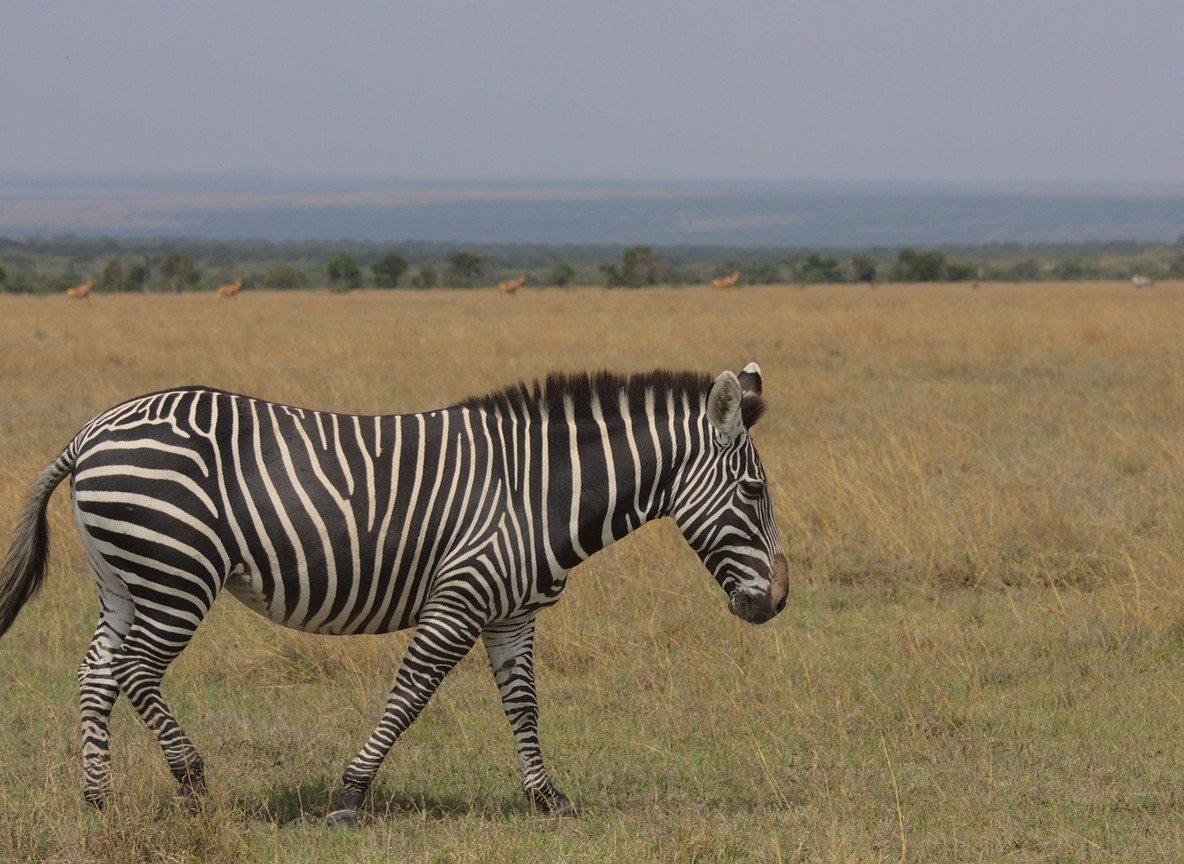
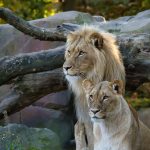
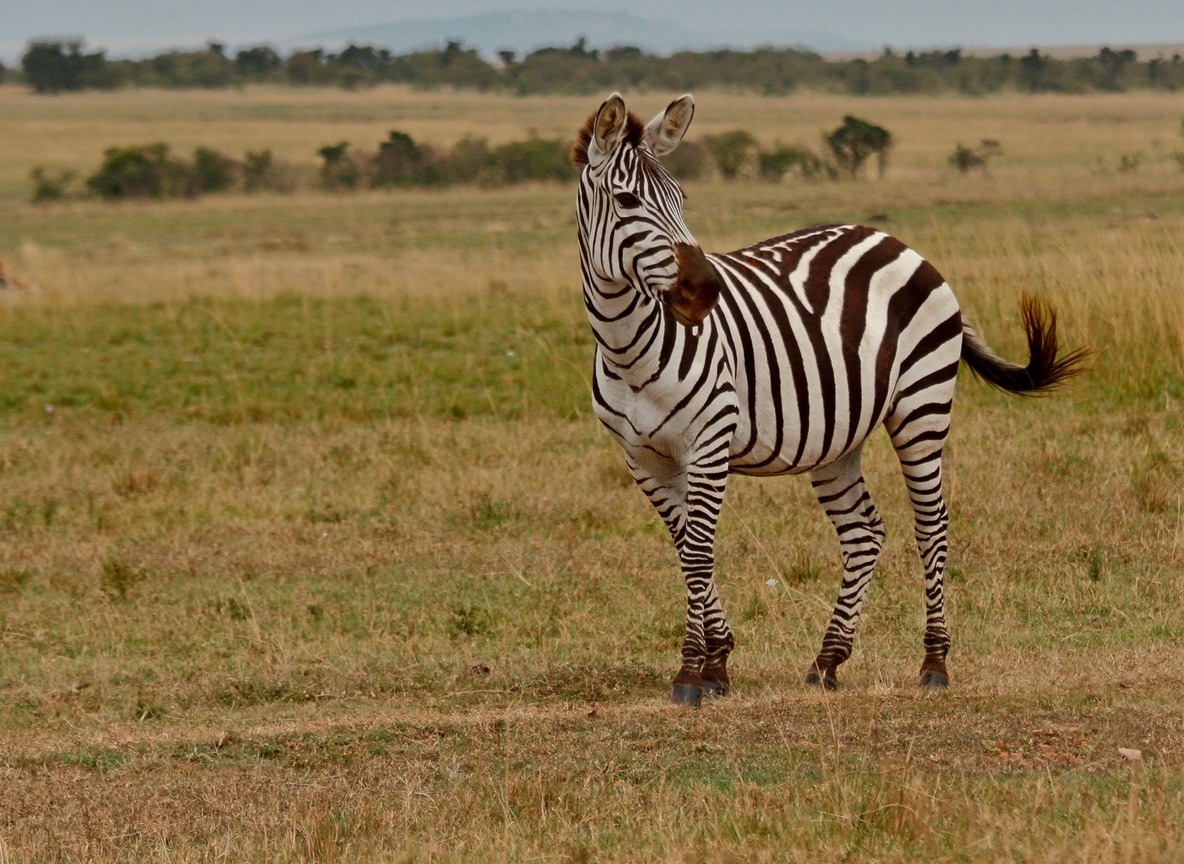
Guides speak English fluently, but dropping the right Swahili word for an animal or moment adds real texture to a game drive. These are the words you will hear repeated most often across a week in the Mara or Amboseli.
| Swahili | Pronunciation | English Meaning |
|---|---|---|
| Simba | SEEM-bah | Lion |
| Tembo | TEM-boh | Elephant |
| Twiga | TWEE-gah | Giraffe |
| Chui | CHOO-ee | Leopard |
| Kifaru | kee-FAH-roo | Rhino |
| Nyati | NYAH-tee | Buffalo |
| Pole pole | POH-leh POH-leh | Slowly, slowly (also means “take it easy”) |
| Twende | TWEN-deh | Let’s go |
| Karibu tena | ka-REE-boo TEN-ah | Welcome again / come back soon |
“Pole pole” is worth memorizing on its own. It captures the safari pace better than any English phrase, and guides use it constantly when tracking or approaching wildlife slowly.
Phrases for the Camp Dining Table and Staff
Camps run on genuine hospitality, and staff appreciate guests who try a little Swahili at meals and check-in. These phrases work at any lodge, from a budget tented camp near Talek Gate to a full-service property in Naboisho Conservancy.
- Chakula ni kizuri (cha-KOO-lah nee kee-ZOO-ree) – “The food is good”
- Naomba maji (nah-OHM-bah MAH-jee) – “May I have water, please”
- Nimefurahi (nee-meh-foo-RAH-hee) – “I am happy” or “I am pleased”
- Lala salama (LAH-lah sah-LAH-mah) – “Sleep well” (goodnight)
- Safari njema (sah-FAH-ree NJEH-mah) – “Have a good journey”, said when someone departs
Notice that “safari” itself is a Swahili word meaning “journey”, not originally a word for a wildlife trip at all. Locals use it for any trip, including a bus ride to Nairobi.
Phrases for Markets, Nairobi, and Everyday Transactions
Outside the camp, you will use a different set of phrases at markets, with matatu drivers, or with a taxi outside your hotel. These help with basic transactions and show you are not expecting everything in English.
- Bei gani? (BAY GAH-nee) – “How much does it cost?”
- Ni ghali sana (nee GAH-lee SAH-nah) – “It’s very expensive” (useful in market bargaining)
- Naomba punguzo (nah-OHM-bah poon-GOO-zoh) – “May I have a discount, please”
- Sawa (SAH-wah) – “Okay” or “agreed”
- Kwaheri (kwah-HEH-ree) – “Goodbye”
Bargaining at a place like Nairobi’s Maasai Market is expected, and opening in Swahili often gets you a fairer starting price than opening in English.
Where You Will Actually Use These Phrases
Real trip logistics help explain when and where these phrases matter most. The table below lines up common heritage-safari stops with their distance from Nairobi. It shows how much of the trip involves in-country travel, where Swahili shows up constantly at gates, on transfers, and with staff.
| Stop | Region | Distance / Flight from Nairobi | Where Swahili Shows Up |
|---|---|---|---|
| Maasai Market, Nairobi | Nairobi CBD/Village Market | In-city | Bargaining, greetings |
| Maasai Mara Reserve, Sekenani Gate | Narok County | approx. 270 km road, or 45-min flight from Wilson Airport | Gate staff, guides, camp check-in |
| Amboseli National Park, Meshanani Gate | Kajiado County | approx. 240 km road, or 40-min flight from Wilson Airport | Gate staff, guides |
| Lamu Old Town | Coast, Manda Airstrip | approx. 340 km, 1-hour flight from Wilson Airport | Coastal Swahili dialect, dhow crews |
| Diani Beach, Ukunda Airstrip | South Coast | approx. 470 km road, or 1-hour flight | Beach staff, market vendors |
Lamu is worth a special mention for a heritage-focused itinerary. The island’s Old Town is the historic heart of Swahili coastal culture. Its dialect, Kiamu, sits closer to classical Swahili than the version taught in most phrasebooks. Even a short detour there deepens a heritage trip in a way the Mara alone cannot.
Common Mistakes First-Time Swahili Speakers Make
Do not stress over perfect grammar. Kenyans are used to hearing Swahili spoken imperfectly by visitors and genuinely appreciate the attempt over the accuracy. A few common stumbles are easy to avoid once you know them.
Travelers often overuse “jambo,” which locals sometimes reserve mainly for tourists rather than everyday conversation. Switching to “habari” mid-trip signals you have moved past the tourist script. Another common slip is mixing up “asante” (thank you) with “tafadhali” (please), two words that sound similar to new learners but mean very different things. Practicing them as a pair for a day fixes the confusion quickly.
Explorer Notes
Guides across the Mara and Amboseli say one phrase gets the warmest reaction: “asante sana kwa kazi nzuri,” meaning “thank you very much for the good work.” Most guests never learn it. Using it on the last morning of a stay tends to earn a genuinely surprised smile.
Camp staff in Naboisho and Mara North mention a small pattern. Guests who greet the kitchen team directly in Swahili, not just the guide, notice a difference in how meals and requests get handled for the rest of the stay. It is a small gesture that reads as real interest rather than performance.
In coastal Lamu specifically, locals appreciate “shukrani” as an alternative to “asante.” The word carries Arabic roots and a touch more warmth in that coastal dialect.
Frequently Asked Questions
Do I need to speak Swahili to travel in Kenya? No. English is an official language and widely spoken in tourism, hotels, and by all licensed guides. Swahili phrases are a bonus that improves the experience, not a requirement to get around.
What is the single most useful Swahili phrase for a first-time visitor? “Asante sana,” meaning thank you very much. It works in every setting, from a camp dining table to a Nairobi taxi, and takes seconds to learn.
Is Swahili the same everywhere in Kenya? Standard Swahili is understood nationwide, but coastal areas like Lamu speak dialects closer to the language’s historical roots. Inland safari regions mostly use standard Swahili mixed with English and local languages like Maa.
How is Swahili different from the words used at Maasai camps? Many Mara-area guides and staff are Maasai and speak Maa as a first language, with Swahili and English as additional languages. Words for wildlife you hear at camp are usually standard Swahili, shared across Kenya.
Can I practice these phrases before I arrive? Yes. Free apps and YouTube pronunciation guides cover all the phrases in this article. Even 15 minutes of daily practice for two weeks before departure builds enough confidence to use them naturally on the ground.
A few well-placed Swahili phrases will not replace a good guide or a well-planned itinerary. They do change how a heritage trip feels from the inside. Visit Touring Insights’ Tour Packages page to compare heritage-focused itineraries that build in real time at markets, coastal towns, and camps where this language actually lives.
What to Read Next
- Curious what else shapes a heritage-focused itinerary? Read our Kenya park fee categories explained 2026.
- Planning a Maasai-guided experience? See our Maasai tracker animal behavior signs safari guide.
- Weighing where to stay for a more immersive cultural experience? Check our private conservancy vs national park cost guide.
Further reading
More safari planning resources
- Kenya national parks map from SafariPure
- Kenya tour packages from Valley Safaris
- Amboseli National Park guide on Touring Insights
- Compare Kenya safari packages on FindMySafari
Related guides: Tracing Swahili Coast Heritage Sites Before or After Your Safari.